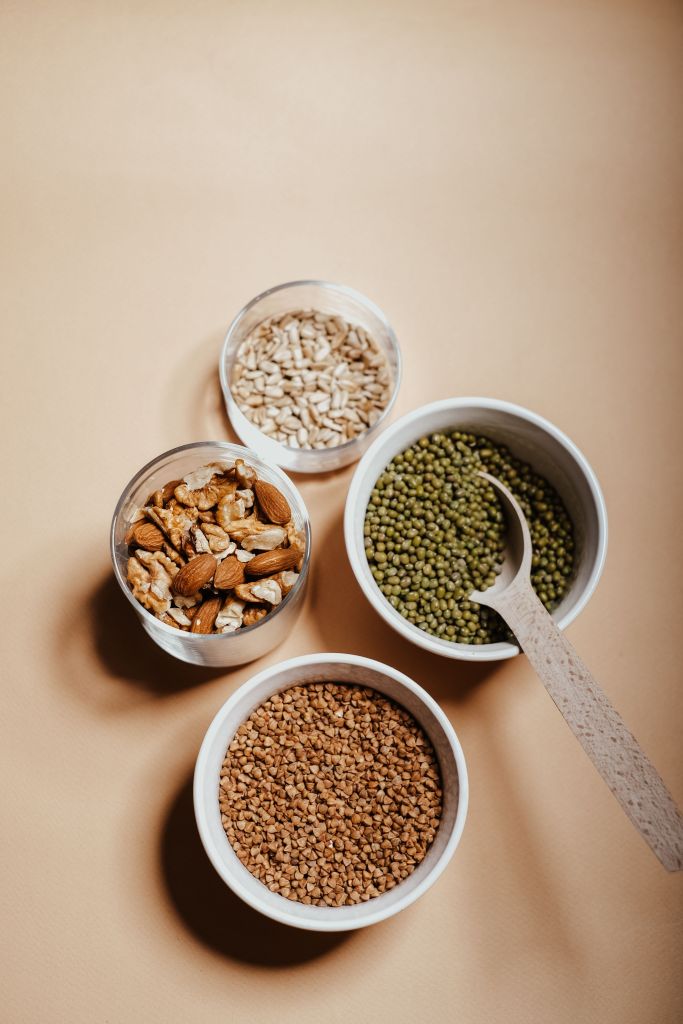
If you’re looking for a nutrition coach Berkshire women can turn to for practical, sustainable advice, one of the first things I would want you to understand is the importance of protein and fibre. Neither is particularly glamorous, and neither is likely to be the subject of the next viral diet trend, but both play an important role in a healthy, balanced diet.
Nutrition doesn’t need to be complicated. Before worrying about cutting out certain foods, following a strict meal plan or buying a cupboard full of supplements, it’s worth looking at whether you’re getting the fundamentals right.
Protein and fibre are two of those fundamentals.
Protein isn’t just for people who want to build muscle
Protein is often associated with gym-goers and bodybuilders, but it’s important for everyone.
Your body uses protein to build and repair tissues, maintain muscle and support a huge number of processes happening inside your body. For women who strength train, getting enough protein is particularly useful because resistance training provides a stimulus for your muscles to adapt, while protein provides the amino acids your body needs to support that process.
This doesn’t mean you need to live on chicken, protein shakes and eggs.
There are plenty of options, including fish, meat, eggs, Greek yoghurt, cottage cheese, milk, tofu, tempeh, beans, lentils and other plant-based foods.
One of the simplest things you can do is start asking yourself: where is my protein in this meal?
You don’t need to get it perfect every time. It’s simply a useful habit that can help you build more balanced meals.
Protein can also help with weight loss
If you’re trying to lose weight, protein can be particularly helpful because it tends to be more filling than many other foods.
This doesn’t mean protein magically causes fat loss. Your overall calorie intake still matters. However, building meals around satisfying foods can make maintaining a calorie deficit much easier.
Imagine having a breakfast that consists of a small bowl of cereal and coffee and feeling hungry again an hour later. Compare that with Greek yoghurt, berries, oats and some seeds. Both can be perfectly enjoyable breakfasts, but the second provides more protein, fibre and overall nutritional value.
The goal isn’t to make every meal “diet food”. It’s to make your everyday choices work harder for you.
Fibre deserves just as much attention
While protein tends to dominate fitness conversations, fibre is another nutrient that deserves more attention.
Fibre is found in plant foods and plays an important role in digestive health. It also contributes to feelings of fullness and supports the trillions of microorganisms that make up your gut microbiome.
Good sources include vegetables, fruit, wholegrains, beans, lentils, peas, nuts and seeds.
Rather than obsessing over one particular food, think about variety.
Could you add some berries to breakfast? Have an extra portion of vegetables with lunch? Choose wholegrain bread? Add lentils or beans to a meal?
Small additions can make a surprisingly big difference.
Why protein and fibre work so well together
This is where things become particularly useful.
A meal containing protein and fibre is generally going to be more satisfying than one that contains very little of either.
For example, a chicken salad with plenty of vegetables and wholegrain rice provides protein, fibre and carbohydrates. A lentil curry with vegetables and rice gives you a combination of plant-based protein and fibre. Greek yoghurt with fruit, oats and seeds can provide a simple breakfast or snack.
You don’t have to eat “perfectly”.
You simply want your meals to contain enough of the things that help you feel nourished and satisfied.
This doesn’t mean you need to fear carbohydrates
Another misconception I often see is that if you’re trying to lose weight, you should focus heavily on protein and vegetables while cutting carbohydrates.
That’s unnecessary.
Foods such as potatoes, rice, oats, pasta and bread can all be part of a healthy diet. Many carbohydrate-containing foods also contribute fibre and provide useful energy, particularly if you’re active.
The answer isn’t to eliminate food groups. It’s to create balance.
If you’re training regularly, eating enough carbohydrate can also support your workouts and recovery.
Nutrition should fit your life
This is one of the biggest things I want women to understand about nutrition coaching: your diet needs to work when you’re busy.
It needs to work when you go out for dinner. It needs to work when you have a birthday. It needs to work when you’re travelling or don’t have time to cook.
A plan that only works when your life is perfectly organised isn’t really a sustainable plan.
That’s why I prefer to focus on habits, education and flexibility rather than giving women a list of foods they’re allowed to eat.
You should understand why you’re making certain choices, rather than simply following instructions.
Start with the basics
Before worrying about detoxes, fat burners, complicated supplement stacks or cutting out entire food groups, look at your basics:
Are you eating enough protein?
Are you getting plenty of fruit and vegetables?
Are you regularly including fibre-rich foods?
Are you drinking enough water?
Are you eating enough to support your activity?
Are you enjoying your food?
Those questions will generally take you much further than chasing the latest nutrition trend.
As a nutrition coach Berkshire women can work with online or alongside their training, my role isn’t to make eating feel restrictive. It’s to help you understand nutrition and create habits you can actually maintain.
Want support with your nutrition?
If you’re constantly starting another diet, struggling to know what you should be eating or feeling overwhelmed by conflicting nutrition advice, you don’t need another set of rigid rules.
You need a strategy that fits your life.
Use the contact form to send me a message and tell me what you’re currently struggling with and what you’d like to achieve. We can look at your nutrition alongside your training, lifestyle and goals and create something that is realistic for you.
As a nutrition coach Berkshire women can turn to for practical, sustainable support, I’m here to help you move away from all-or-nothing dieting and towards nutrition that actually works in real life.


 Robyn Salvi Fitness Coach & Nutritionist
Leave a comment